Source Dental Crown Grinding Polishing Wheel for Oral Surgery
Find 30 Dental Crown Grinding Polishing Wheel options from Henan, China. Compare silicon carbide and metal variants with CE certification for dental department applications. Review specs like 120# grain size and 15,000-25,000 RPM speed to select the right tool for oral surgery.
Key considerations
Products List


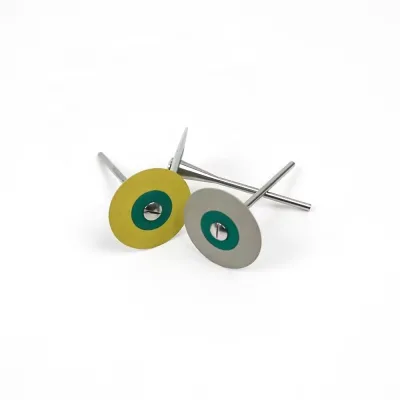


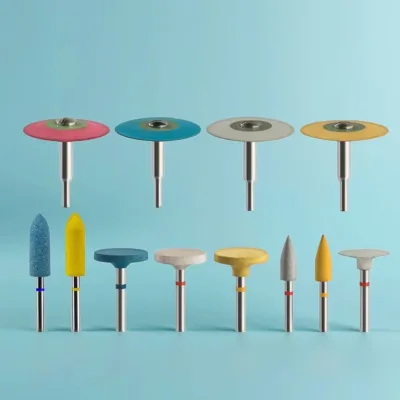


Comprehensive Sourcing Guide
Dental Crown Grinding Polishing Wheel Sourcing Guide
Procuring dental crown grinding and polishing wheels requires a precise understanding of the distinct material properties and operational parameters that define clinical efficacy. Buyers must distinguish between abrasive cutting tools designed for rapid material removal and fine polishing wheels intended for surface finishing. The market offers a variety of options, including silicon carbide and wa sic variants, each suited for specific stages of the dental restoration process. Understanding these material differences is the first step in aligning product selection with clinical workflow requirements.
The sourcing landscape includes products originating from regions such as Henan Province in China, with models ranging from specialized dental instruments to general industrial cutting wheels. Buyers should carefully review product attributes such as shape, color, and packing methods to ensure compatibility with existing dental equipment. For instance, some listings specify flat circular shapes with red or orange coloring, while others indicate pink or gray sets packaged in cartons. Verifying these physical characteristics against clinical needs prevents mismatches between the tool and the intended dental procedure.
Product Scope and Observed Listing Signals
The observed product listings reveal a diverse range of specifications that buyers must navigate to identify suitable tools for dental applications. Listings indicate models such as JS-WBLHX01 and 119010035-38, with dimensions varying from 100×8 millimeters to 23486 millimeters. These variations suggest that the market includes both standard cutting wheels and specialized polishing kits. Buyers should pay close attention to the stated standard dimensions and model numbers to ensure the selected wheels fit their specific dental handpieces and operational protocols.
Packing and quantity details further clarify the scope of available products, with options ranging from single pieces in plastic bags to six-piece sets in carton packaging. Some listings specify a net weight of 17 grams per pack, while others indicate a quantity of one piece per pack. These packaging details are critical for inventory management and cost calculation. Buyers must verify whether the product is sold as a single unit or as part of a kit, as this affects the overall procurement strategy and the ease of integration into clinical supply chains.
Technical Specifications to Verify
Technical verification begins with confirming the material composition, as listings mention silicon carbide, wa sic, and metal variants. Each material offers different abrasiveness and durability, influencing the wheel’s performance in cutting or polishing tasks. Buyers should verify the grain size, with some listings specifying 120# abrasive, to ensure the tool matches the required finish quality. Additionally, the circular degree and cylindricity, noted as less than zero in some contexts, are critical for ensuring smooth operation and preventing vibration during high-speed use.
Operational parameters such as recommended speed and working style must also be validated against clinical equipment capabilities. Listings suggest recommended speeds ranging from 10,000 to 25,000 revolutions per minute, which must align with the dental handpiece’s maximum RPM. The working style, identified as cutting or polishing, dictates the wheel’s primary function. Buyers should confirm that the tool’s design, whether flat or specialized, supports the intended application, such as oral surgery or general dental department procedures, to avoid performance issues or equipment damage.
Compliance and Safety Documentation
Compliance verification is essential for ensuring that dental tools meet safety and regulatory standards. Some listings indicate CE certification, which is a critical requirement for products sold in many international markets. Buyers must request and verify valid certification documents to ensure the product complies with relevant health and safety regulations. This step is crucial for mitigating legal risks and ensuring that the tools can be legally used in clinical settings without compromising patient safety or regulatory standing.
Safety documentation should also include information on the tool’s usage classification and after-sale support. Listings mention instrument classifications such as Class I, which helps buyers understand the regulatory category of the product. Additionally, the availability of online technical support is a valuable indicator of supplier reliability. Buyers should confirm that the supplier provides adequate support for troubleshooting and maintenance, ensuring that any issues with the grinding or polishing wheels can be resolved promptly to minimize clinical downtime.
Cost Drivers and Commercial Terms
Cost drivers for dental crown grinding and polishing wheels include material quality, packaging complexity, and order volume. Listings show a price range from 0.1 to 100 USD, with minimum order quantities varying from 1 to 1000 units. Buyers should analyze how these factors influence the total cost of ownership, considering that higher-quality materials or specialized packaging may justify a higher unit price. Understanding the relationship between MOQ and pricing helps buyers optimize their procurement strategy to balance cost efficiency with inventory needs.
Commercial terms such as customization availability and packing methods also impact the overall procurement experience. Listings indicate that customization is available, allowing buyers to tailor products to specific clinical requirements. Packing options range from plastic bags to carton boxes, with some products specified as non-disposable for repeated use. Buyers should negotiate terms that align with their operational needs, ensuring that the supplier can accommodate specific packaging or customization requests without incurring excessive additional costs or delays.
Supplier Qualification and Quality Control
Supplier qualification involves assessing the manufacturer’s location, production capabilities, and quality control processes. Listings indicate origins in Henan Province and Huaxian County, China, which are known manufacturing hubs. Buyers should verify the supplier’s production standards, including techniques such as sintering, to ensure consistent product quality. Additionally, the availability of customization services suggests that the supplier can adapt to specific buyer requirements, which is a positive indicator of flexibility and customer focus.
Quality control measures should include verification of product attributes such as color, shape, and packing integrity. Listings specify colors like red, orange, pink, and gray, which may indicate different product lines or usage stages. Buyers should request samples to verify that the physical attributes match the product descriptions. Furthermore, confirming the supplier’s ability to provide consistent quality across batches is essential for maintaining clinical standards and ensuring that every wheel performs reliably in dental procedures.
Long-Term Procurement Checks
Long-term procurement success depends on establishing a reliable supply chain and monitoring product performance over time. Buyers should track the durability and effectiveness of the grinding and polishing wheels in clinical settings, noting any issues with wear, breakage, or performance degradation. Regular feedback from dental professionals can help identify whether the tools meet clinical expectations and whether adjustments are needed in product selection or supplier engagement.
Continuous evaluation of supplier performance is also critical for maintaining a high-quality supply chain. Buyers should monitor the supplier’s responsiveness to technical support requests, adherence to delivery schedules, and consistency in product quality. By maintaining open communication and conducting periodic reviews, buyers can ensure that their procurement strategy remains aligned with clinical needs and market changes, ultimately supporting efficient and safe dental operations.
FAQs
What materials are used in these dental crown grinding polishing wheels?
These wheels are made primarily from silicon carbide abrasive, and some variants use metal bond construction with superabrasive grit. Silicon carbide offers sharp cutting action for crown contouring, while metal-bonded discs provide longer service life for polishing stages. Check the individual model listing, since material and grain size such as 120# vary by product code.
Which recommended operating speed should I use for these polishing wheels?
Use the recommended speed range printed for each model, typically 15,000 to 25,000 rpm for some items and 10,000 to 20,000 rpm for others. Running within these limits prevents overheating the crown and premature abrasive wear. Always confirm the speed rating on the specific product specification before mounting it in a low-speed or high-speed handpiece.
How many pieces come in a pack of the RA polishing wheel set?
The RA model is supplied as a 6-piece set per pack, which covers different grit stages for grinding and polishing. Individual models may be packaged as 1 piece per pack with a net weight of about 17 grams. Confirm the SKU and packaging format on each listing, since cartons and plastic or paper boxes are used for outer packing.
Can these dental polishing wheels be customized for my clinic or brand?
Yes, customization is available for these products. Buyers can discuss options such as specifications, packaging, and labeling with the supplier before ordering. Because minimum order quantities range from as low as 1 unit up to 1000 depending on the model, smaller clinics can often start with standard items and move to customized orders as volumes grow.
What certifications and classifications apply to these dental wheels?
Relevant listings carry CE certification and are classified as Class I instruments under dental instrument classification rules. They are intended for professional use in oral surgery and dental departments. Since requirements differ by country, buyers should verify which certification documents the supplier can provide for the specific model and confirm local registration needs before importing.
How should I choose between flat cutting wheels and polishing wheel kits?
Choose a flat cutting wheel when you need to section or reduce crown material, and choose a polishing wheel kit for surface finishing and gloss. Cutting wheels come in diameters such as 22 by 23 millimeters with 120# grain, while RA polishing sets include six graded pieces. Many buyers stock both types so grinding and finishing can be completed in one workflow.